
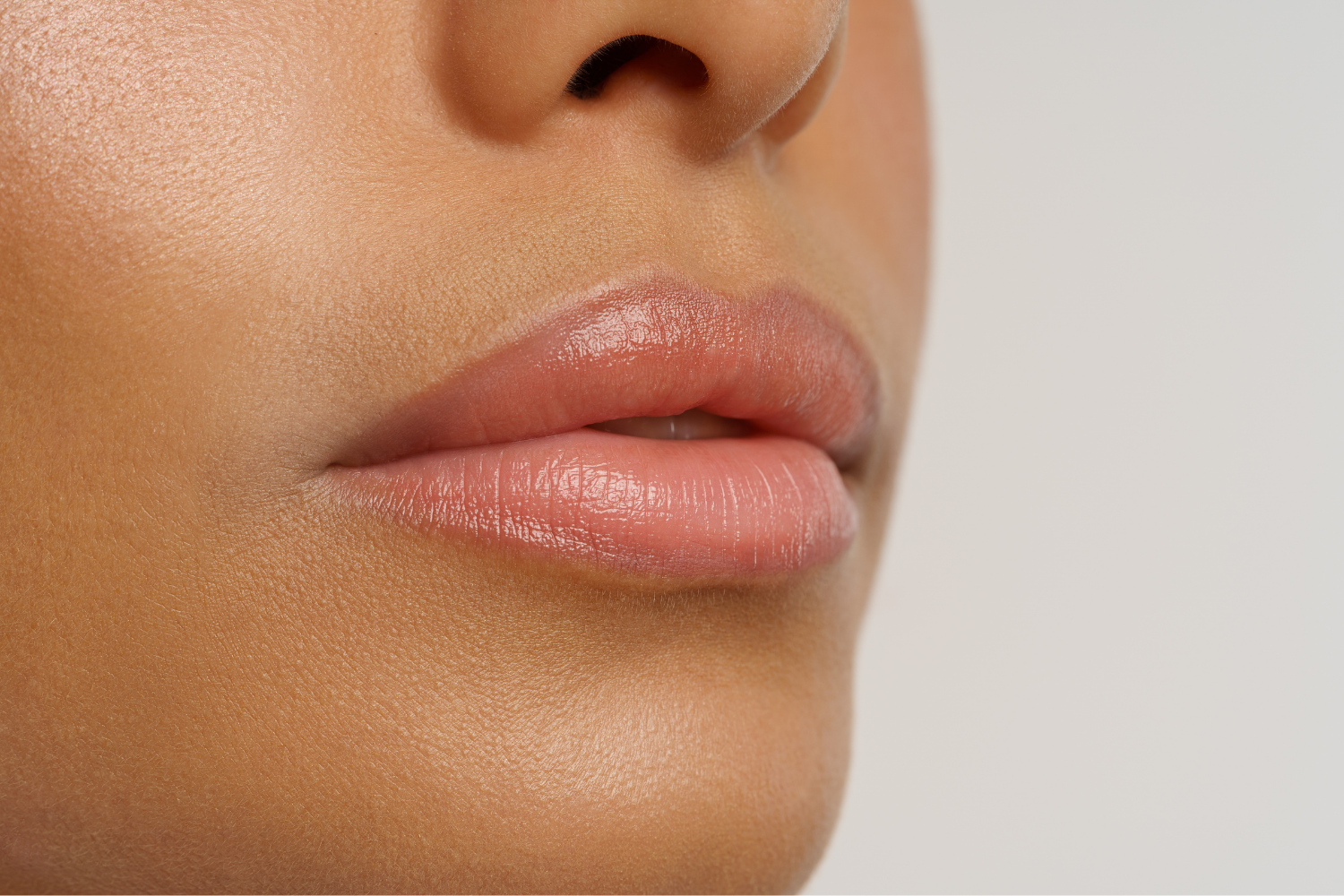
A lip lift is a surgical procedure that shortens the distance between the base of the nose and the top of the upper lip, revealing more of the lip's natural pink border and creating a more youthful, proportionate look without adding volume. It's one of the more understated procedures in facial aesthetics, but for the right candidate, it can change the entire balance of the lower face more meaningfully than filler ever could.
Key Takeaways
- A lip lift shortens the space above the upper lip (the philtrum); it doesn't add volume the way filler does
- Some people are born with a naturally long philtrum, while others develop one gradually with age as skin loses elasticity
- Lip lift results are permanent, since the procedure removes and shortens skin rather than adding a temporary substance
- The incision sits at the base of the nose and typically heals to become very difficult to see
- Good candidates have a long philtrum or minimal visible upper lip at rest; it isn't a substitute for addressing lower lip volume or asymmetry
What Is a Lip Lift Surgery?
Lip lift surgery removes a thin strip of skin from just beneath the nose, shortening the space between the nostrils and the upper lip border. As that space shortens, more of the lip's natural pink tissue becomes visible, and the upper lip appears fuller and more defined, even though no volume has actually been added.
This distinguishes a lip lift from most other lip enhancement approaches, which work by adding volume rather than changing the proportions of the lip itself.
Why the Upper Lip Elongates: Aging and Genetics
Two different things bring patients to consider a lip lift, and understanding which applies to you matters for setting realistic expectations.
Aging-related elongation. As skin loses elasticity and collagen production slows, the upper lip can gradually stretch and flatten, and the space between the nose and lip border lengthens. The lip's pink show diminishes, and the lip can start to look thin even in patients who never considered their lips small earlier in life.
Genetic or naturally long philtrum. Some people are simply born with a longer distance between the nose and upper lip, independent of age. For these patients, a lip lift addresses a proportion they've dealt with since adulthood, not a sign of aging.
Lip Lift vs. Lip Filler: Why They Solve Different Problems
This is one of the most common points of confusion for people researching lip enhancement, and the two approaches genuinely aren't interchangeable.
Lip Filler
- Adds volume to the lip itself
- Temporary, typically lasting six months to a year
- Does not change the length of the space above the lip
- Can look overfilled if used to compensate for a long philtrum rather than actual lip volume loss
Lip Lift
- Shortens the space between the nose and upper lip
- Permanent, since it involves removing and repositioning skin
- Reveals more natural lip tissue without adding external volume
- Addresses proportion, not just size
Many patients who are unsatisfied with filler results discover the actual issue was proportion, not volume, which filler alone cannot correct.
What the Procedure Involves
A lip lift is typically performed as an outpatient procedure under local anesthesia, often combined with light sedation, and generally takes about an hour. The most common technique places the incision along the base of the nose, following its natural shadow line, and removes a carefully measured strip of skin to shorten the philtrum. The incision is then closed with fine sutures designed to minimize visible scarring.
The exact technique and amount of skin removed depend on your specific anatomy and goals, which is why a detailed consultation and precise measurement matter more with this procedure than a standard, one-size approach.
Who Is a Good Candidate for a Lip Lift?
Good candidates typically:
- Have a long philtrum, whether from genetics or age-related elongation
- Show minimal upper lip pink tissue when the face is at rest
- Want a permanent change in lip proportion rather than temporary added volume
- Have realistic expectations about what the procedure changes and what it doesn't
A lip lift is not the right solution for patients whose primary concern is overall lip volume rather than proportion, or for correcting asymmetry between the upper and lower lip. A thorough evaluation during consultation is the best way to determine whether your concern is one a lip lift actually solves.
Recovery: What to Expect
Days 1 to 3: Swelling is at its peak, and the lip may look temporarily overprojected or "poufy." This is a normal and expected part of early healing, not the final result.
Week 1: Sutures are typically removed, and swelling begins to noticeably improve.
Weeks 2 to 4: The scar continues to soften and blend into the natural shadow beneath the nose. The lip's true shape starts to emerge as swelling fully resolves.
Months 1 to 3: The scar continues to fade, and the final result becomes clear.
Will There Be a Visible Scar?
The incision is placed intentionally along the natural shadow line at the base of the nose, which helps it blend in as it heals. With proper technique and aftercare, the scar typically becomes very difficult to notice within a few months. Patients with certain skin types or a history of poor scarring should discuss this specifically during consultation, since individual healing varies.
Combining a Lip Lift with Other Procedures
A lip lift is sometimes combined with other treatments to achieve a more complete result around the lower face:
- Fat Grafting: For patients who want subtle added fullness in addition to a shortened, more proportionate upper lip.
- CO2 Laser Skin Resurfacing: Addresses fine lines above the lip that a lip lift alone does not treat.
Whether combining procedures makes sense for you depends on your specific goals and anatomy, and should be discussed during your consultation.
Lip Lift Results: What to Expect Long-Term
Because a lip lift works by permanently shortening skin rather than adding a substance that the body eventually absorbs, results do not fade the way filler does. Natural aging continues after the procedure, but the underlying proportion change from the lift itself remains.
Questions to Ask Your Surgeon
- Is my concern about lip volume, proportion, or both, and which procedure actually addresses it?
- How much skin would you plan to remove, and how did you arrive at that measurement?
- What will my scar look like, and how should I care for it during healing?
- Would combining this with another procedure make sense for my goals?
Taking the Next Step
A lip lift is a precise procedure where small measurements make a significant difference, which is why an experienced, detail-oriented evaluation matters. Dr. John Luck evaluates each patient's individual proportions before recommending an approach, rather than applying a standard amount of correction to every case.
Schedule a consultation with Dr. Luck to find out whether a lip lift addresses what you're actually seeing in the mirror.
Frequently Asked Questions
What does a lip lift do?
A lip lift shortens the space between the base of the nose and the top of the upper lip, revealing more of the lip's natural pink tissue and creating a more youthful, proportionate look without adding volume.
What's the difference between a lip lift and lip filler?
A lip lift permanently shortens the skin above the lip to change proportion, while filler temporarily adds volume to the lip itself. Filler cannot shorten a long philtrum, which is why the two address different concerns.
Is a lip lift permanent?
Yes. Because the procedure removes and repositions skin rather than adding a temporary substance, the results do not fade the way filler does, though natural aging continues afterward.
Will a lip lift leave a scar?
A small scar is unavoidable, but the incision is placed along the natural shadow at the base of the nose and typically becomes very difficult to notice as it heals.
How long is recovery from a lip lift?
Initial swelling peaks in the first few days, sutures are usually removed around one week, and the final result typically emerges over one to three months as the scar softens.
Am I a good candidate for a lip lift?
Good candidates have a long philtrum or minimal visible upper lip at rest and want a permanent change in proportion rather than added volume. A consultation is the best way to confirm candidacy.