
CO2 laser resurfacing produces some of the most visible before-and-after transformations in skin rejuvenation, but the "after" photo you see online usually represents months of healing, not the day treatment ends. Understanding what actually happens between the before and the after helps set realistic expectations, especially in a climate like Minneapolis, where the timing of treatment matters as much as the technology itself.
Below, we'll walk through what a CO2 laser before-and-after should actually show, the honest timeline behind it, how treatment intensity changes the result, and why Minnesota's seasons are a genuine, practical factor in planning your treatment.
Key Takeaways
- Visible improvement in skin texture, tone, and fine lines continues for three to six months after CO2 laser treatment, as new collagen builds
- Before-and-after photos taken too early can understate the final result, since much of the improvement happens well after the visible redness resolves
- Minneapolis's cooler, lower-sun months (fall through early spring) are a practical time for more aggressive CO2 laser treatment, since strict sun avoidance during healing is easier to manage
- CoolPeel and more aggressive full ablative treatments produce different before-and-after timelines, with CoolPeel showing faster surface improvement and less dramatic overall change
- Combining CO2 laser resurfacing with surgical procedures like blepharoplasty or a facelift can produce a more complete before-and-after result than laser alone
What Changes Will You Actually See in a Before-and-After?
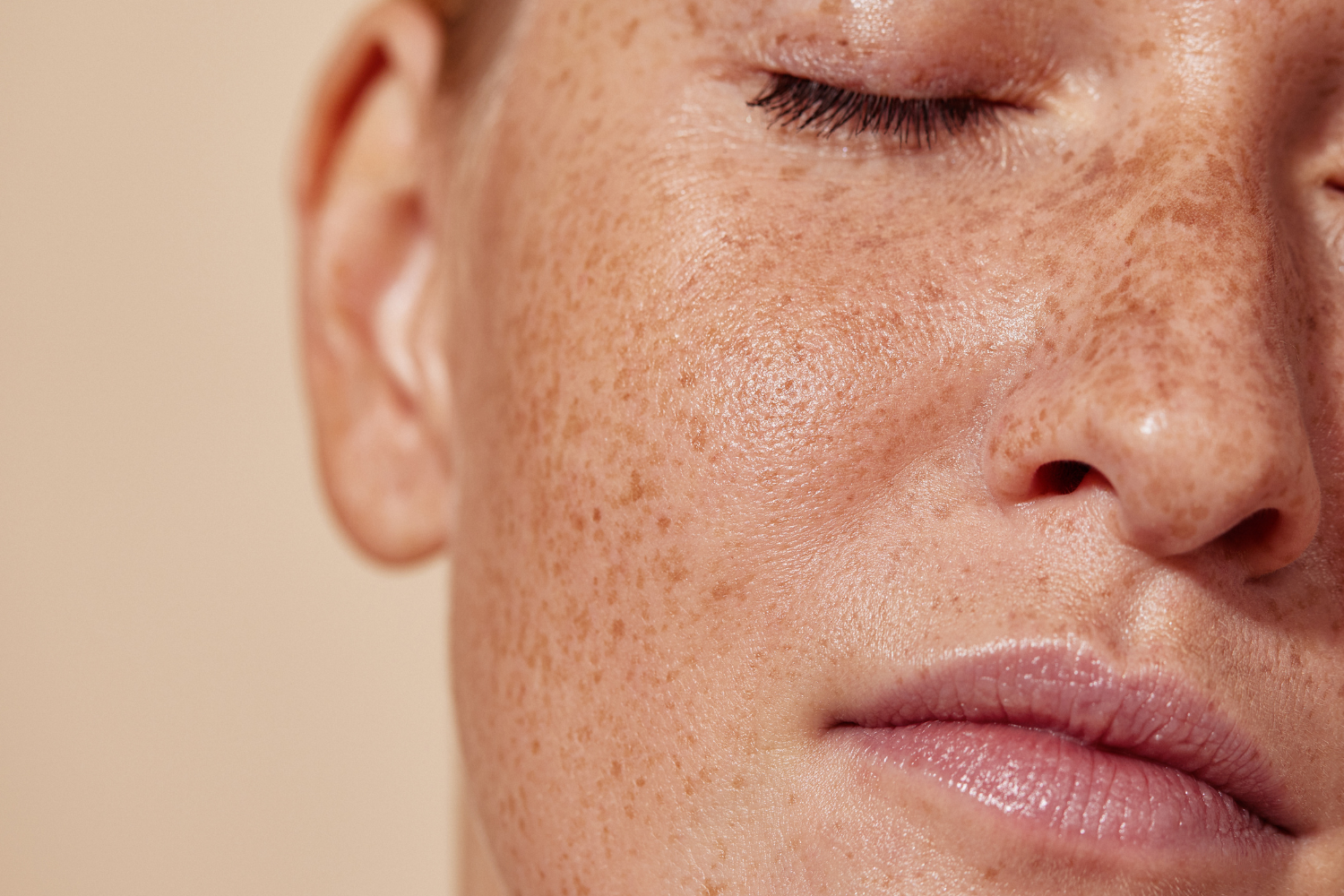
A CO2 laser before-and-after typically shows improvement in a few specific areas: smoother overall texture, reduced fine lines, especially around the eyes and mouth, fewer visible pores, more even tone, and softened acne scarring. It is not a treatment that changes facial structure or volume, so a good before-and-after shows the same face with noticeably healthier, tighter-looking skin, not a different face shape. It's worth keeping in mind that some of the most dramatic-looking "after" photos online combine laser resurfacing with a surgical procedure like a facelift or eyelid surgery, which changes structure and skin quality together. If you're evaluating laser resurfacing on its own, look specifically for before-and-afters where no other procedure was performed at the same time, so you're comparing like with like.
What Is the Real Timeline Behind the Photo?
For the first week, the skin is raw, red, and actively healing, closely resembling a sunburn in its most severe form, which is never what's shown in an "after" photo. New tissue begins to form over the following few days, and crusting and peeling occur as the surface heals; picking or removing peeling skin prematurely can cause scarring or pigmentation problems, so gentle wound care matters during this window. By two to four weeks, redness fades to pink, and makeup can typically be worn to cover residual color, which is when most patients feel comfortable returning to public-facing social situations. Within one to three months, most patients look like their expected result to a casual observer, though collagen remodeling is still happening beneath the surface, meaning the skin keeps improving even after visible redness is gone. The true final result becomes visible between three and six months, as the skin's texture, tone, and firmness fully mature.
Why Does Timing Matter More in Minneapolis?
Sun exposure is the single biggest threat to a good CO2 laser result, since newly resurfaced skin is far more vulnerable to pigmentation changes than normal skin. Minneapolis's fall, winter, and early spring months naturally involve less sun intensity and shorter days outdoors, which makes strict sun avoidance during the healing window considerably easier to manage than treating in the middle of a Minnesota summer. Many patients specifically time more aggressive resurfacing for the colder months for exactly this reason, choosing to heal during a season when they're already spending less time in direct sunlight. That said, sun protection remains essential year-round after treatment, including through Minnesota's bright, reflective winters, since UV exposure from sun reflecting off snow is a real and often underestimated factor.
How Does CoolPeel Compare to a Full Ablative Treatment?
Not every CO2 laser before-and-after represents the same intensity of treatment, and the difference matters for what you should expect to see. CoolPeel is a gentler, more superficial version of CO2 resurfacing that uses very short pulses to limit the heat delivered to surrounding skin. It produces a faster recovery, typically two to five days of visible redness, and a more subtle before-and-after, well suited to patients wanting improvement without significant downtime, or those building results with a series of treatments. A full or moderate-depth ablative treatment produces a more dramatic change, particularly for deeper wrinkles, sun damage, and acne scarring, but comes with a longer recovery timeline, typically one to four weeks of visible healing. Neither approach is inherently better; the right choice depends on how much correction you need and how much downtime you're able to take.
Who Sees the Best Before-and-After Results?
CO2 laser resurfacing produces the most predictable results in patients with lighter skin tones, because the laser targets water in skin cells and cannot fully distinguish between pigment in damaged skin and pigment in surrounding healthy skin. Patients with medium to darker skin tones can still be good candidates, but the approach requires more individualization, sometimes including pre-treatment skin conditioning, to reduce the risk of post-inflammatory hyperpigmentation.
Can CO2 Laser Be Combined With Surgery for a More Complete Result?
Surgery repositions and removes tissue; laser resurfacing addresses the quality of the skin itself. Patients undergoing a facelift or blepharoplasty often add CO2 laser resurfacing in the same session, so the skin's texture and tone match the improved structure underneath, rather than surgery producing a more youthful shape with skin quality that doesn't match. This combination is a common part of our lower blepharoplasty approach and is frequently paired with a deep plane facelift or a full Comprehensive Facial Rejuvenation plan. Learn more about the technology itself on our CO2 laser skin resurfacing page.
READ: Comprehensive Facial Rejuvenation
How Do You Preserve Your Results Long-Term?
CO2 laser resurfacing produces lasting improvement, but it doesn't stop the aging process. Daily, consistent broad-spectrum sun protection is non-negotiable after treatment, and a medical-grade skincare routine, including retinoids and antioxidants, supports the new collagen your skin has built. Smoking impairs circulation and collagen production, which works against your result over time, and some patients benefit from a periodic lighter maintenance treatment to preserve the initial improvement over the years.
Taking the Next Step
Dr. John Luck and his team in Minneapolis and Burnsville, MN offer CO2 laser resurfacing with the DEKA Tetra system as part of a broader approach to facial rejuvenation. Schedule a consultation to discuss which intensity of treatment, and which time of year, makes sense for your skin and your goals.
Frequently Asked Questions
How long until you see CO2 laser results?
Most patients see their expected result emerging by month one to three, with the fully mature result visible at three to six months.
Is CO2 laser resurfacing worth it for Minneapolis winters?
Many patients specifically choose the colder months for more aggressive CO2 laser treatment, since lower sun exposure makes the required healing precautions easier to maintain.
What's the difference between CoolPeel and full CO2 laser before-and-afters?
CoolPeel produces a faster, more subtle result with less downtime, while full ablative CO2 resurfacing produces a more dramatic change with a longer recovery.
Can CO2 laser resurfacing be combined with a facelift or eyelid surgery?
Yes, it's frequently combined with procedures like blepharoplasty or a facelift so the skin's quality matches the improved structural result.
Is CO2 laser resurfacing safe for darker skin tones?
It can be, but it requires a more individualized approach and experienced provider judgment to reduce the risk of pigmentation changes.
You might also be interested in reading